
The International Safety Equipment Association (ISEA) has released ANSI/ISEA Z308.1-2026, replacing the 2021 edition of the national consensus standard for workplace first aid kits and supplies. The updated standard introduces new requirements and expanded guidance addressing opioid overdose response, severe bleeding, employee training, and emergency preparedness across a range of work environments.
Although the standard remains voluntary, OSHA references ANSI/ISEA guidance when evaluating the adequacy of workplace first aid supplies. The 2026 workplace first aid standards provide employers with an opportunity to reassess their existing first aid programs and ensure that equipment, emergency procedures, and employee training align with workplace hazards and evolving best practices.
What Changed in the 2026 Workplace First Aid Standards?
ANSI/ISEA Z308.1 establishes minimum requirements for first aid kit contents, classification, labeling, and performance. The 2026 revision maintains the Class A and Class B kit framework but introduces several changes designed to address workplace-specific hazards and emergency response needs.
Naloxone and Opioid Overdose Response
One notable addition is guidance on naloxone, a medication used to reverse opioid overdoses. The revised standard recommends naloxone as a supplemental first aid supply, including at least two nasal sprays stored in a clearly labeled kit near other emergency equipment.
The National Safety Council (NSC) reports that drug overdoses account for 8% of workplace deaths, while only 28% of surveyed employers have naloxone available at their worksites.
Naloxone is not a mandatory component of every workplace first aid kit under the revised standard. However, employers should consider overdose response when evaluating emergency preparedness, including appropriate supplies and employee training.
CPR, AEDs, and Emergency Response Training
The previous standard concentrated primarily on first aid supplies. The 2026 edition expands guidance to include CPR and automated external defibrillator (AED) preparedness, the availability of trained responders, and equipment-specific awareness training.
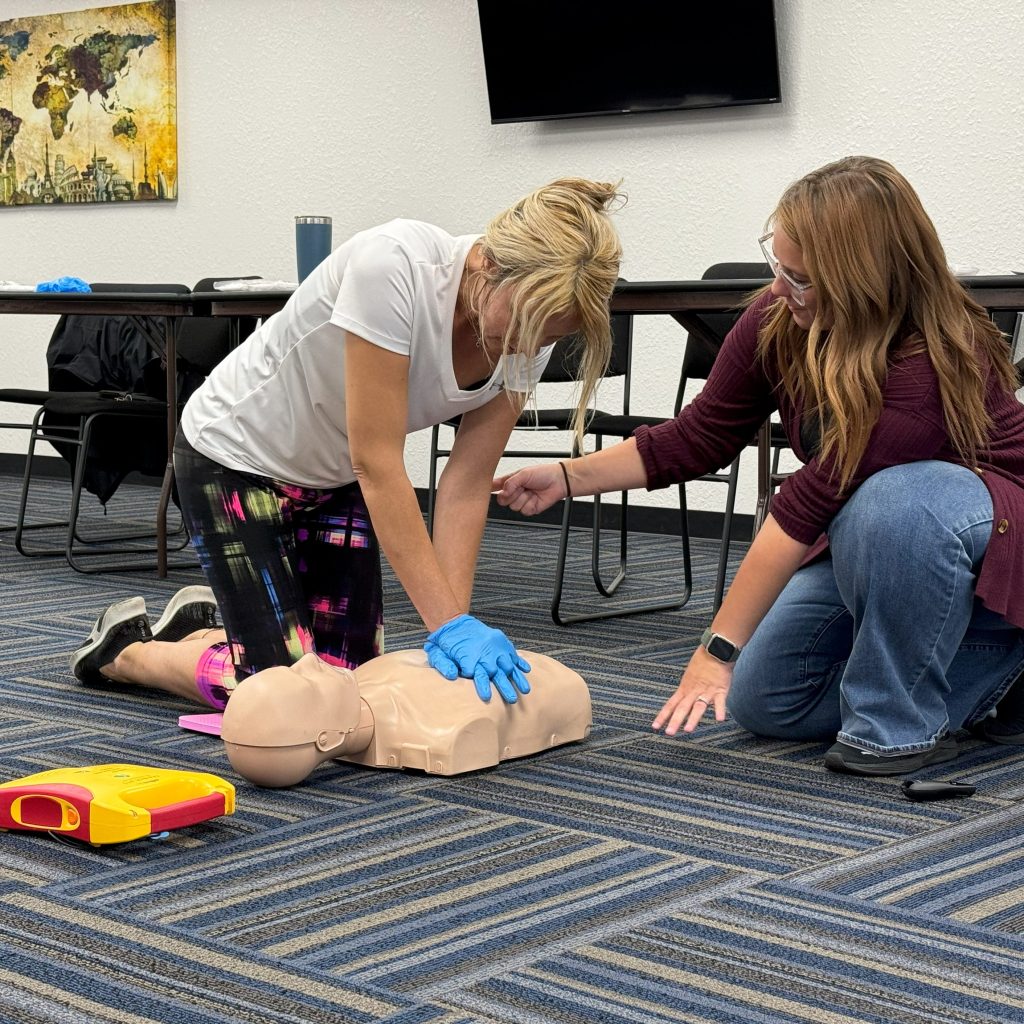
For employers, this means evaluating whether employees can effectively use the emergency equipment provided. Considerations include AED accessibility, maintenance, employee familiarity, and adequate training coverage across shifts and work locations.
Tourniquets and Bleeding Control Equipment
The revision clarifies criteria for arterial tourniquets, distinguishing equipment intended to control life-threatening bleeding from ineffective elastic alternatives. It also addresses concerns regarding counterfeit tourniquets.
Additional guidance covers supplemental bleeding control kits containing supplies such as hemostatic bandages, compression bandages, chest seals, and thermal blankets.
Employers with elevated injury risks should review whether existing supplies are appropriate for foreseeable emergencies and whether designated responders are trained to use them.
Mobile Workers, Bilingual Guides, and Supplemental Supplies
The revised standard also addresses first aid preparedness for mobile and field workers, recognizing that changing jobsite conditions can affect access to emergency supplies. Employers should consider how kits are stored, inspected, replenished, and positioned to remain accessible throughout the workday. For example, supplies kept in a work vehicle may not be readily available to employees working at a distant location.
Other updates include a requirement for first aid guides in both English and Spanish, along with expanded guidance on anti-choking devices as optional supplemental supplies. Together, these changes emphasize the importance of evaluating first aid equipment and accessibility based on workplace conditions rather than relying solely on standard kit contents.
How Does ANSI/ISEA Z308.1-2026 Relate to OSHA Requirements?
ANSI/ISEA Z308.1-2026 is a voluntary consensus standard, not a federal OSHA regulation. While the 2026 worplace first aid standard provides guidance for evaluating first aid supplies and emergency preparedness, its publication does not automatically create new mandatory requirements for employers.
Existing OSHA medical and first aid regulations remain in effect, including:
- 29 CFR 1910.151 — Medical Services and First Aid: Establishes requirements for first aid supplies, medical availability, and trained first aid personnel under specified circumstances in general industry.
- 29 CFR 1926.50 — Medical Services and First Aid: Establishes similar requirements for construction operations.
Employers should evaluate their first aid programs against applicable OSHA requirements while using the revised ANSI/ISEA standard to assess whether supplies and emergency response capabilities adequately address workplace hazards. Additional regulatory references are available through OSHA's Medical and First Aid Standards page.
Practical Steps for Employers
Employers should use the updated standard to identify potential gaps in their emergency response programs.
Recommended actions include:
- Review first aid kit classifications, contents, placement, and inspection procedures.
- Evaluate tourniquets, bleeding control supplies, and supplemental equipment based on workplace hazards.
- Verify that first aid guides meet updated bilingual requirements.
- Assess first aid availability for mobile crews and remote worksites.
- Review CPR, AED, and first aid training coverage, including employee familiarity with available equipment.
- Update emergency response procedures where existing arrangements are insufficient.
Taking the Next Step
The 2026 workplace first aid standards reinforce the importance of pairing appropriate emergency supplies with employees who are prepared to use them. As employers evaluate their first aid programs against the updated guidance, employee training remains a critical component of effective emergency response.
Cardinal Compliance Consultants helps organizations navigate evolving workplace safety standards and identify practical ways to strengthen their safety programs. Through our partnership with the American Red Cross, we also provide First Aid, CPR, and AED certification training to help employees build the skills and confidence to respond when emergencies occur.
Contact Cardinal Compliance Consultants to learn how we can support your workplace first aid training and emergency preparedness efforts.